For years, the performance of pool heat pumps has been measured mainly through hardware efficiency: higher COP, improved EER and increasingly advanced inverter technology. After announcing that it had reached a COP of 39, iGarden is now looking beyond hardware performance alone, positioning artificial intelligence as the next lever for reducing energy consumption in pool heating.
From hardware efficiency to intelligent pool heating management
The approach is being introduced across the iGarden AI Pool Heat Pump X Series and M Series. Rather than focusing solely on how efficiently a heat pump converts electricity into heat, the system aims to optimise the decision to heat itself: when heating should start, how much power is actually required, when output can be reduced and when the unit does not need to operate at all.
AI to adapt pool heating to real operating conditions
Traditional heating schedules can only partially reflect the changing conditions around a swimming pool. Outdoor temperature, heat loss, electricity prices and pool usage can all vary throughout the day.
iGarden AI is designed to take several of these variables into account, including pool temperature, outdoor conditions, energy signals and user habits, in order to identify more appropriate operating periods and avoid unnecessary heating. The objective is therefore not only to reduce electricity consumption while the heat pump is running, but also to limit unnecessary operating time before it occurs.
Over time, the system can also learn when the pool is generally used, which water temperature is preferred and how the pool responds under different conditions. This learning process is intended to move heating management from fixed commands towards a more predictive approach, preparing the pool when comfort is actually required while reducing unnecessary runtime.

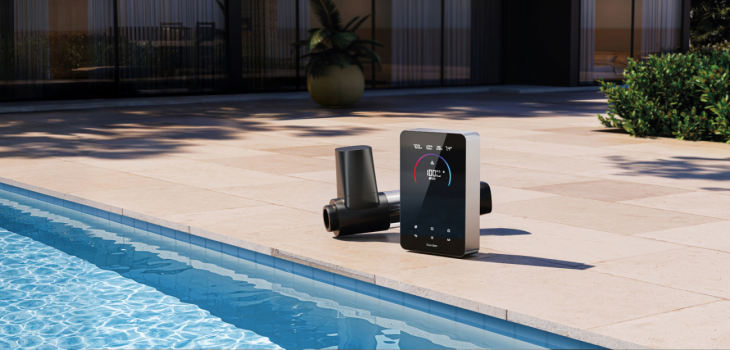
iGarden Smart Pool Heat Pump M Series Model
Making energy consumption easier to understand
The iGarden App adds another layer to this strategy through its AI Energy Reports, designed to provide users with clearer information on energy use and savings. By making efficiency more visible, iGarden aims to move beyond technical performance indicators alone and provide information that is easier for pool owners to interpret.
The manufacturer is also considering future developments that could translate these savings into other indicators, such as estimated CO? reductions, regional comparisons or reward-based features. These functions are presented by iGarden as possible future app developments rather than currently available features.

AI Energy Report in iGarden APP
From heat pump control to the AI Garden ecosystem
The ambition goes far beyond the heat pump itself. With iGarden AI, users no longer manage individual devices, but simply express their intentions. A request as simple as specifying a swimming time allows iGarden AI to understand the need, check the pool status, evaluate energy conditions and coordinate the right heating action.
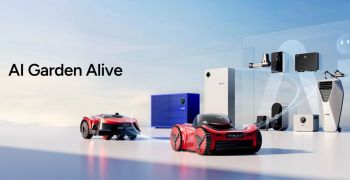
Moreover, the AI Garden Ecosystem goes even further. By connecting pool heating with water care, cleaning, lighting, lawn maintenance, and energy management, various expert systems coordinate seamlessly to prepare the perfect outdoor moment -- even before the user asks.

The Smart Grid Control of iGarden AI Heat Pump (Picture modified by AI)
X Series and M Series combine AI with R290
Alongside this software-based approach, the X Series and M Series use R290, the natural refrigerant chosen by iGarden as part of the transition towards lower-carbon pool heating technologies. Both ranges also share the AI foundation intended to support the wider AI Garden environment.
With this combination of high-efficiency hardware, predictive operation and connected energy management, iGarden is seeking to shift the debate from "How efficient is the heat pump?" to "How intelligently is the pool being heated?"
The iGarden AI Garden ecosystem will be presented at Piscine Global 2026, from 17 to 20 November, on stand 4H162.
Discover more iGarden smart pool heat pump models: X Series and M Series.
Meet the company iGarden | Fairland Group at the exhibition PISCINE GLOBAL from 17/11/2026 to 20/11/2026
STAND N°4H162 / 4F174